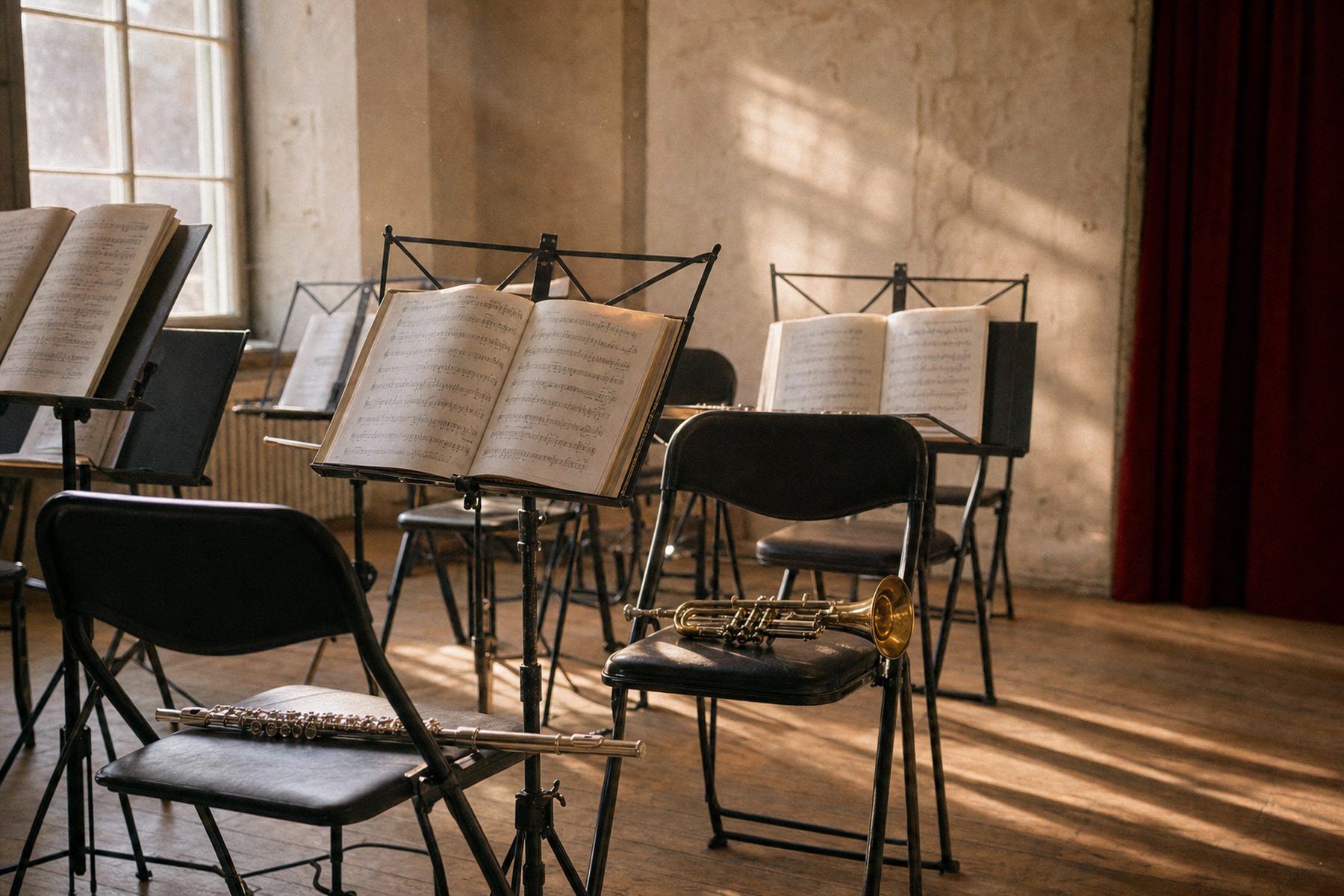
An empty community band rehearsal room in late-afternoon light: folding chairs, music stands with open scores, a flute and a trumpet left on the seats.

For community bands, orchestras & choruses

The ensemble's records shouldn't leave when the board turns over.

Rehearsal Letter is a member and board portal built for volunteer-run ensembles. Roster, dues, calendar, music library, minutes and recruitment — one place, under your own name, colors and web address.

One-time setup $1,500 $750 for ensembles that sign on by December 31, then from $360 a year based on your roster size.

  • Your own domain, logo and colors — not a vendor's badge in the corner
  • Board-only pages that members genuinely cannot see
  • Set up for you: branding, spreadsheet import, board training
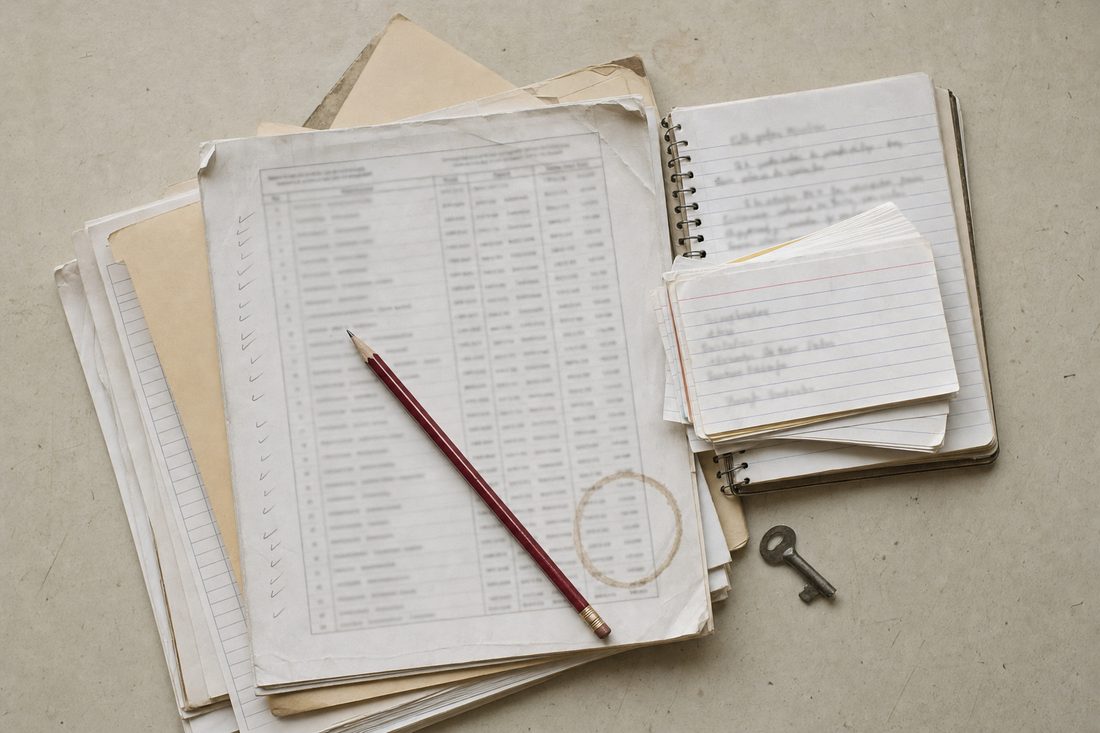
A stack of paper ensemble records on a table: a printed roster with pencil ticks, a manila folder, a notebook of minutes, index cards and a small key.

The problem

Institutional memory leaves with the people who held it

The roster lives in one person's spreadsheet. Dues live in another. Concert programs get rebuilt every season from last year's Word document. Rehearsal notices go out from a shared Gmail account, so nobody can prove who was told what. The music library exists mainly in the librarian's head.

Then the officers change. The treasurer steps down and the dues spreadsheet goes with them. A new secretary inherits a Drive folder with no structure and three copies of every file. Why the band stopped renting from that supplier, what the sponsor promised, which parts are missing from a set — all of it walks out the door.

The information should belong to the ensemble, not to whoever currently happens to hold it.
Concert programs New

It prints the program too

Pick the concert, switch on the sections you want, and the booklet is assembled from the roster, the repertoire, the sponsor list and the gift records already in the portal. Folded and imposed for saddle-stitching, or flat 8½ × 11 — it counts the pages and tells you when you have spare sides to fill.

Nobody retypes the roster the week of the concert, and the program in the audience's hands matches the system the board is working from.

See the program builder

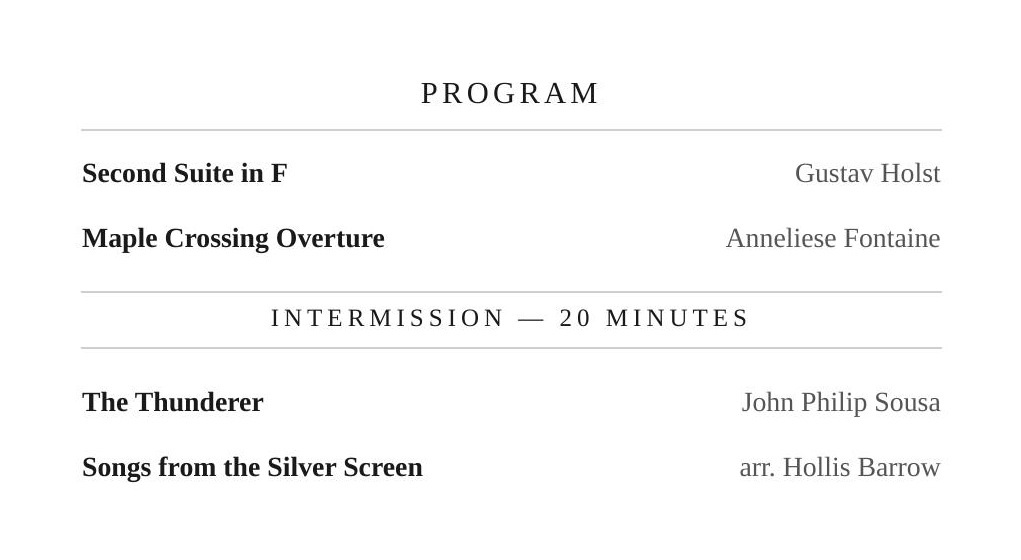
A printed program page: the heading PROGRAM, then Second Suite in F by Gustav Holst and Maple Crossing Overture by Anneliese Fontaine, a centered rule reading INTERMISSION — 20 MINUTES, then The Thunderer by John Philip Sousa and Songs from the Silver Screen arranged by Hollis Barrow.

Data ownership

Your records sit in your own database, not in a column of ours

Your own deployment

Each ensemble gets its own installation at its own web address, with its own branding. You are not a row in a shared customer table, and nothing you enter is mixed into another ensemble's data.

Your own schema

The roster, dues ledger, attendance history, library and minutes live in a Postgres schema belonging to your ensemble alone. Direct read access is available on request — plain SQL, no export queue, no API tier.

A full export, whenever

Everything, in open formats, any time you ask — including on the way out. A stated exit is worth more to a volunteer board than a discount, so it is not buried in a contract.

A board that cannot get its own membership list out of a system does not own its membership list.

Two doors, one system

Players see their season. The board sees everything else.

For members

They sign in at the ensemble's own web address and find what they actually need before Tuesday night.

  • The whole season calendar in one place
  • Rehearsal and concert detail — call times, venues, what to bring
  • Saying whether they're coming
  • Current repertoire and shared documents
  • Their own dues status, with a link to pay
  • Announcements from the board

For the board

Everything above, plus the running of the organization. Board pages are invisible to ordinary members — not merely unlinked.

  • Roster and dues, with CSV import and export
  • Budget, fundraising, sponsors and donors
  • Vendor contacts and the board task list
  • Meeting agendas and minutes
  • The music library, with holdings and status
  • The recruitment pipeline, from web form to first rehearsal

Next step

See it with your own ensemble's name on it

Half an hour, no obligation. We'll walk your board through a working deployment and tell you plainly whether Rehearsal Letter fits how your ensemble already runs. Pick a time that suits you — evenings and Saturdays included.

Book a walkthrough See pricing